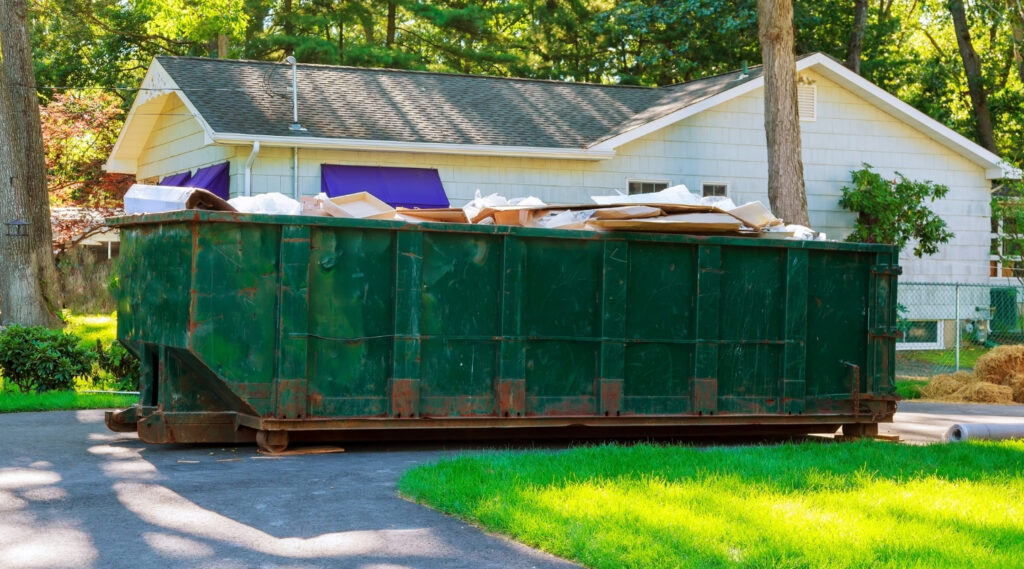

A cracked driveway isn’t just ugly; it’s expensive, frustrating, and completely avoidable. Most people don’t realize that the biggest threat to their property during a renovation isn’t the mess or the work itself. It’s the roll-off dumpster sitting there during a rainstorm, heat wave, or snowfall. Weather doesn’t care about your timeline, and neither does the multi-ton container compressing your concrete or sinking into softened asphalt. At Waste Solutions of Iowa, we’ve been handling waste solutions since 1982, and we’ve seen what harsh weather can do when you’re not prepared.
This guide covers everything you need to protect both your property and your roll off dumpster rental through Iowa’s unpredictable climate. We’ll share practical strategies for driveway protection for dumpsters, weather-specific tips, and safety measures that keep your project running smoothly, no matter what comes your way.
Quick Reality Check: The average driveway repair costs more than most entire dumpster rental periods. Five minutes of preparation saves weeks of headaches.
Why Harsh Weather Can Damage Roll Off Dumpsters and Driveways
Weather hits both the dumpster and the surface it sits on in ways you might not expect. Here’s what actually happens.
1. Ground Saturation and Weight Pressure
Rain turns solid ground into mush. When the soil beneath your driveway absorbs water, it can’t support heavy loads anymore. A loaded roll-off dumpster creates intense pressure, and saturated ground just gives up. The result? Cracks that start small and grow until you’re looking at full replacement.
2. Ice, Snow, and Freezing Temperatures
Winter dumpster protection isn’t optional here. Ice buildup around the wheels makes pickup basically impossible. Snow adds weight that pushes your load beyond safe limits. Freezing temperatures cause ground heaving; moisture in the soil freezes, expands, and lifts everything above it, including your dumpster. Metal also gets brittle in extreme cold and breaks more easily during handling.
3. Extreme Heat and Sun Exposure
Summer heat softens asphalt above 90°F. A stationary roll-off dumpster in harsh weather sinks into softened asphalt and leaves permanent marks. The dark metal takes in heat and makes it worse. Heat also speeds up the breakdown of things inside, which can cause smells and dangerous situations.
Preparing Your Driveway Before Dumpster Delivery
Most weather damage can be avoided with smart preparation. These steps will keep your property safe even before the dumpster gets there.
1. Choose the Right Placement Area
Concrete handles weight better than asphalt, especially when it’s hot. Think about overhead clearance, ground slope, distance from the street, and how close it is to your work area. Stay away from septic systems, underground utilities, and landscaping. We provide free placement help to find the best spot for your situation.
2. Use Protective Barriers
This is your most affordable insurance. Plywood sheets, rubber mats, or wooden planks create a buffer between your driveway and the dumpster’s weight.
| Material | Works Best For | Why It Helps |
| ¾” Plywood | All surfaces | Distributes weight evenly |
| Rubber mats | Asphalt | Resists heat, stops sinking |
| 2×12 planks | Concrete | Creates a stable base |
| Gravel layer | Grass/dirt | Improves drainage |
3. Start with a Clean, Dry Area
Before delivery, make sure there is no trash, snow, ice, or standing water. Remove any loose gravel that could break through barriers or damage your driveway when it is compressed. After heavy rain, the ground needs at least 48 hours of dry weather to get strong again.
The 48-Hour Rule: Wet ground = weak ground. If it rained yesterday, wait until tomorrow. Your driveway will thank you.
Weather-Specific Protection Tips
Different weather needs different approaches. Here’s how to handle whatever shows up.
1. Protecting Your Driveway During Rain and Storms
Rain and snow dumpster placement needs good drainage. Create a slight grade around the dumpster to move water away from its base. Don’t let water pool underneath, ever. During storms, check that barriers stay put and the dumpster hasn’t shifted. Cover open containers so rain doesn’t get in. Wet debris weighs way more and can push you over weight limits.
2. Winter Protection for Snow and Ice
Keep paths clear every day. Snow and ice make things slippery and mess up pickup logistics. Shovel snow away from doors, use sand or kitty litter for traction, and knock ice off wheels and hinges. Skip salt-based ice melts near the dumpster; they eat through metal and wreck driveways. Sand works without the damage.
3. Managing Roll Off Dumpsters in Extreme Heat
Check your asphalt daily during heat waves. Water down asphalt driveways when it’s really hot to cool them off. Rotate the dumpster’s position slightly if you can to avoid permanent dents. Use reflective tarps that bounce heat away instead of soaking it up. If your driveway starts softening, call us right away at (515) 750-2349.
Protecting the Roll Off Dumpster Itself
Taking care of the dumpster keeps it working right through your whole rental.
1. Use Covers or Tarps
Tarps keep things from blowing away, stop rain from adding weight, and keep the site cleaner. Use bungee cords or straps to keep them safe. Heavy-duty options handle variable weather better. Just don’t block safety features or access points.
2. Secure the Dumpster Against Wind
Strong winds can move lighter loads or tear off loose covers. Use multiple points to anchor tarps, pick up any loose trash around the container, and don’t fill it too high above the rim. Point the opening away from the wind when you can. Tell us immediately if anything shifts.
3. Monitor Weight Limits
Weather messes with contents, too. Rain adds serious weight to wood, cardboard, and drywall. Frozen stuff weighs more than thawed. Our guidelines: 15-yard holds 2-3 tons, 20-yard holds 3-4 tons, 30-yard holds 4-5 tons, 40-yard holds 5-6 tons. Going over creates safety issues during transport.
Safety Considerations During Harsh Weather
Roll-off dumpster safety protects everyone on site.
1. Prevent Slips and Falls
Winter ice and spring mud make things dangerous around dumpsters. Keep paths clear and maintained. Add temporary lighting for evening access, put down non-slip mats, post warning signs, and make sure everyone wears proper footwear.
2. Maintain Clear Access for Pickup
Weather obstacles delay pickup and stretch out rental periods. Keep the street-to-dumpster path clear of snow, ice, water, branches, vehicles, and materials. Our drivers need clean approach and exit angles. Weather causing access problems? Call us at (515) 750-2349; we’ll figure it out together.
Your Weather-Ready Game Plan
Look, protecting your roll-off dumpster and driveway during rough weather really just comes down to being ready, paying attention, and acting fast when things change. Use barriers before delivery, apply weather protection for dumpsters that matches the season, and stay in touch with us. These dumpster placement tips and extreme weather dumpster tips stop damage, keep your project moving, and protect what you’ve invested in your property.
Waste Solutions of Iowa has been doing this for more than four decades now. We’ve dealt with every kind of weather mess you can think of, from torrential spring rains to brutal winter freezes. What sets us apart? Flat rates that don’t hide surprise fees, delivery that happens when you actually need it, and scheduling that bends around weather instead of forcing you to work in bad conditions. We’re a woman-owned small business right here in Ankeny and Waukee, and honestly, we just want your project to go smoothly from the minute that dumpster shows up until we haul it away.
Want a roll-off dumpster rental with total confidence? Contact Waste Solutions of Iowa today at (515) 750-2349 or visit wastesolutionsofiowa.com. We’ll help you pick the right size, give you personalized advice to protect your driveway from dumpster damage, and share strategies for keeping everything safe through whatever Iowa weather throws at you.