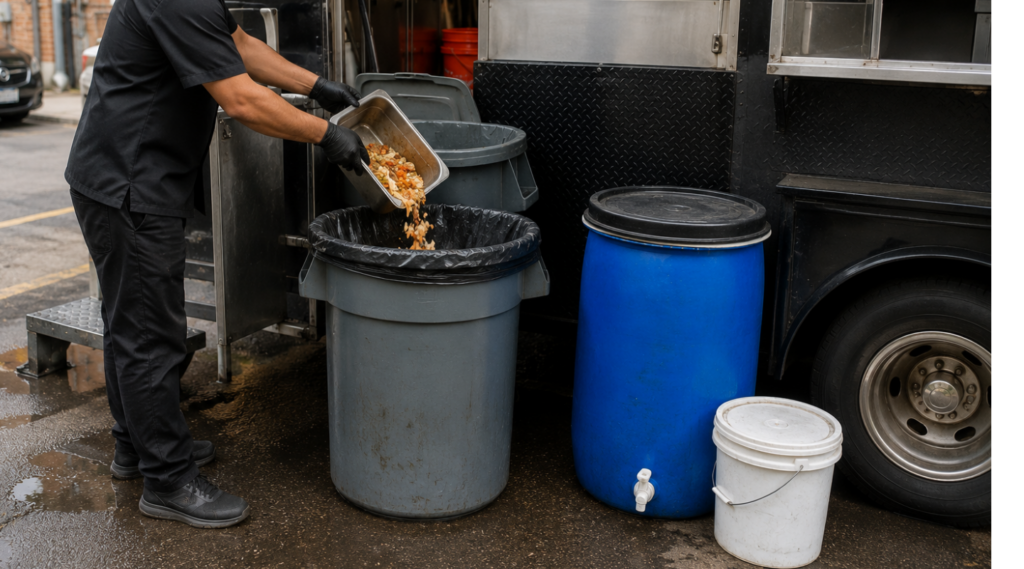

Many food truck owners lose their operating permits not because of the food, but because of what happens after the cooking ends. During routine inspections, food truck operators are frequently cited, have their permits suspended, and are forced to shut down due to improperly dumped gray water, overflowing grease containers, and mixed trash bins. Violations don’t send warning letters before they arrive, an inspector shows up, spots a non-compliant gray water drain or an undocumented grease disposal log, and your truck is off the road, sometimes that same day.
At Waste Solutions of Iowa, we’ve seen what proper food truck waste disposal systems look like, and we’re here to make sure your operation never has to learn this the hard way.
This blog takes you through each waste category your truck generates, the regulations that apply to each, the mistakes that get operators cited, and the solutions that keep your permits in order, whether you’re parked on a street corner or serving thousands at a festival.
Types of Waste Generated by Food Trucks
Food trucks are small, but the waste streams they produce are anything but. Every mobile kitchen produces at least five types of waste, each with its own disposal guidelines and compliance risks.
- Used cooking grease and oil: Produced in high volumes by any truck using fryers or flat-tops; requires licensed disposal, not a dumpster or drain
- Gray water (wastewater): Sink rinse water, dishwasher, and handwashing runoff containing grease, soap, food particles, and bacteria
- Solid food waste: Prep scraps, spoiled inventory, and leftover food
- Packaging and single-use products: Containers, wrappers, cups, and cutlery that fall under waste segregation requirements in most markets
- Hazardous cleaning chemicals: Degreasers and sanitizers that cannot legally enter gray water tanks or storm drains
Any mischaracterization of these, putting chemicals in a gray water tank, or throwing containers of grease in a roll-off dumpster creates liability that most operators don’t know exists until an inspector is writing the citation.
Why Waste Disposal Regulations Matter
Environmental regulations governing food service waste exist at three levels: federal, state, and local, and all three can apply to your truck simultaneously. The EPA’s Clean Water Act prohibits discharging any liquid waste into storm drain systems, and that applies directly to food trucks. Locally, most health departments tie your sanitation compliance status directly to your operating permit. One failed inspection for improper waste handling procedures doesn’t just cost a fine; it can trigger mandatory re-inspections, force days off the road, and become a public record that shows up when customers search your business.
Beyond permits, improper disposal carries real public health safety consequences. Gray water containing food particles and bacteria contaminates soil and groundwater. Grease in sewer lines causes blockages and overflows. These are the exact scenarios health departments are actively enforcing against, and food safety regulations leave very little room for operators who claim they didn’t know.
A food truck cited for gray water mismanagement can be ordered off the road before the lunch rush even starts.
Food Truck Waste Disposal Rules Every Owner Should Follow
Compliance is not that hard, but it needs one to understand the specifics of each rule and not just the general idea. Here’s what good food truck waste management looks like at each waste stream.
1. Proper Grease Disposal
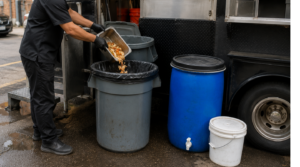
Food truck grease disposal is one of the most strictly enforced areas in mobile food service. Do not pour used cooking oil into any drain, put it in a regular trash bin, or pour it onto pavement; this is illegal under most state codes and would violate federal stormwater rules. Store used oil in a sealed, labeled, leak-proof container on the truck, maintain a service log documenting every pickup, and work with a licensed commercial grease disposal company for scheduled collection. Inspectors frequently ask for this documentation, and operating without it accelerates a deeper review of your entire compliance setup. Many operators also use grease recycling services for food trucks, where collected oil is repurposed for biodiesel, an eco-conscious operations choice that simultaneously satisfies environmental responsibility requirements.
2. Gray Water Disposal Rules
Gray water from a food truck is a combination of fats, soap residues, food particles, and bacteria, and in most jurisdictions, it is a criminal violation, not just a civil violation, to dump it on the ground or into a storm drain. A proper food truck gray water disposal service setup requires an onboard sealed holding tank; many municipalities mandate specific minimum capacities, along with documented disposal at an approved dump station or through a licensed mobile kitchen waste disposal hauler. Wastewater containment is not optional. If you’re vending at an event without a designated dump station, you have to haul your gray water off-site in that sealed tank. Inspectors are trained to spot the kind of violation that involves dumping it in a parking lot before driving off.
3. Trash Storage Requirements
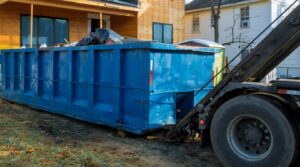
Solid waste must be stored in covered, leak-proof bins and removed at the end of every service day. For outdoor event waste management, rules often become stricter, and event organizers may require vendors to bring their own disposal infrastructure entirely. Dumpster rental for outdoor events is the most practical solution, keeping your setup clean, your vendor agreement intact, and your end-of-day disposal straightforward.
4. Recycling Requirements
An increasing number of cities now mandate recycling programs for food service businesses, including food trucks. In these markets, waste segregation into cardboard, plastics, and landfill waste is a license condition, not voluntary. Rinse recyclables before putting them in bins, flatten cardboard, and keep separate bins if your local ordinance requires it.
5. Cleaning Chemical Handling
Degreasers, bleach-based sanitizers, and cleaning solvents are classified as hazardous waste. They cannot be added to gray water tanks, poured down street drains, or abandoned on-site at events. Store them in original labeled containers away from food contact surfaces, and dispose of them through a designated hazardous waste program. Keep Safety Data Sheets on the truck; inspectors can and do ask for them.
| Waste Type | Illegal Disposal | Required Method |
| Used cooking oil/grease | Storm drains, dumpsters, ground | Sealed container + licensed hauler |
| Gray water | Ground, parking lots, storm drains | Onboard tank + approved dump station |
| Cleaning chemicals | Gray water tanks, street drains | Hazardous waste program |
| Solid food waste | Open bins, unpermitted sites | Covered bins, daily removal |
| Recyclables | General landfill (where regulated) | Segregated bins per local ordinance |
Health Code Compliance Tips
Food safety regulations aren’t checked once; they’re evaluated every time an inspector visits. Keep disposal logs current and on the truck at all times. Train every team member on proper waste collection systems, because a citation for an employee’s improper disposal lands on the owner just the same. For sustainable event planning, confirm waste rules with organizers in advance so there are no surprises on setup day.
Building these waste reduction strategies into your daily routine, rather than treating them as an end-of-shift afterthought, is what separates operators who pass inspections from those who don’t.
Common Waste Management Mistakes Food Truck Owners Make
These aren’t rookie errors; they catch experienced operators off guard, too:
- Draining gray water on-site: Before driving away, it is fast, easy, and illegal in nearly every jurisdiction.
- No grease service documentation: operating without records is a standalone citation risk.
- Using one bin for all waste: Mixing recyclables, food waste, and hazardous materials triggers waste segregation violations.
- Assuming event rules match your usual location: Outdoor event cleanup requirements often differ significantly from standard operating rules.
- Skipping the commissary connection: Many cities require trucks to return to a permitted commissary for gray water and grease disposal; not knowing this is not a legal defense.
Best Waste Disposal Solutions for Food Trucks
Mobile kitchen waste disposal works best when it’s systemized rather than reactive. For regular street operations, the baseline is a licensed commercial grease disposal company on a recurring schedule, a sealed gray water tank with documented dump-station access, and covered bins with a daily disposal routine.
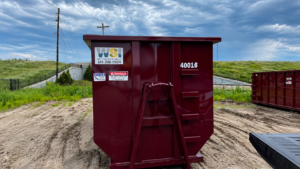
For festivals and large events, event sanitation services become essential. As a waste management company for festivals serving Central Iowa, Waste Solutions of Iowa provides roll-off dumpsters in four different sizes, portable restrooms, hand-wash stations, and grease trap pumping, all from one vendor.
Our WSI Grease Tracker keeps your service history digitally documented and ready to pull up during any WRA inspection on the spot. Bundling these food truck waste disposal services under a single provider also simplifies billing, scheduling, and accountability, something every outdoor event cleanup company relationship should offer.
Waste Management Checklist for Food Truck Owners
- Gray water tank level checked and capacity confirmed before service.
- Grease container sealed, labeled, and not exceeding capacity
- All chemical containers are stored away from food prep surfaces.
- Disposal documentation and service logs on the truck
- Trash bins are covered and emptied at the end of every service day.
- Gray water is transported to an approved dump station after service.
- Recyclables are separated in accordance with local ordinance requirements.
- Event-specific waste rules confirmed with organizers before setup.
- Grease pickup is scheduled for any multi-day event.
Keep Your Truck Running and Your Permits Intact
Food truck waste disposal comes down to one truth: the rules are specific, enforcement is real, and ignorance is not a defense. From food truck grease disposal and wastewater containment to waste segregation and recycling programs, every layer of your waste plan directly protects your ability to operate. Operators who treat food truck waste management as a system, not an afterthought, are the ones who pass inspections without stress and keep their trucks on the road.
At Waste Solutions of Iowa, we provide the complete range of food truck waste disposal services that Central Iowa operators depend on, including roll-off dumpsters, grease trap pumping with the WSI Grease Tracker, portable restrooms, and full event sanitation services, all bundled under one roof. As a certified woman-owned small business serving the greater Des Moines area since 1982, we handle the compliance infrastructure, so you stay focused on the food.
Call us today at (515) 750-2339 for a free quote, and let’s build a mobile kitchen waste disposal plan that keeps your permits current, your customers safe, and your truck exactly where it belongs.