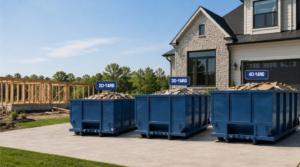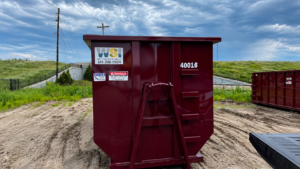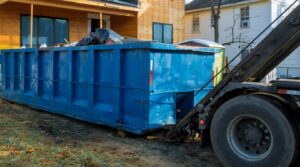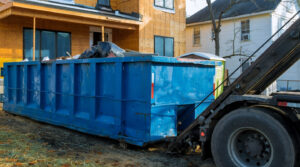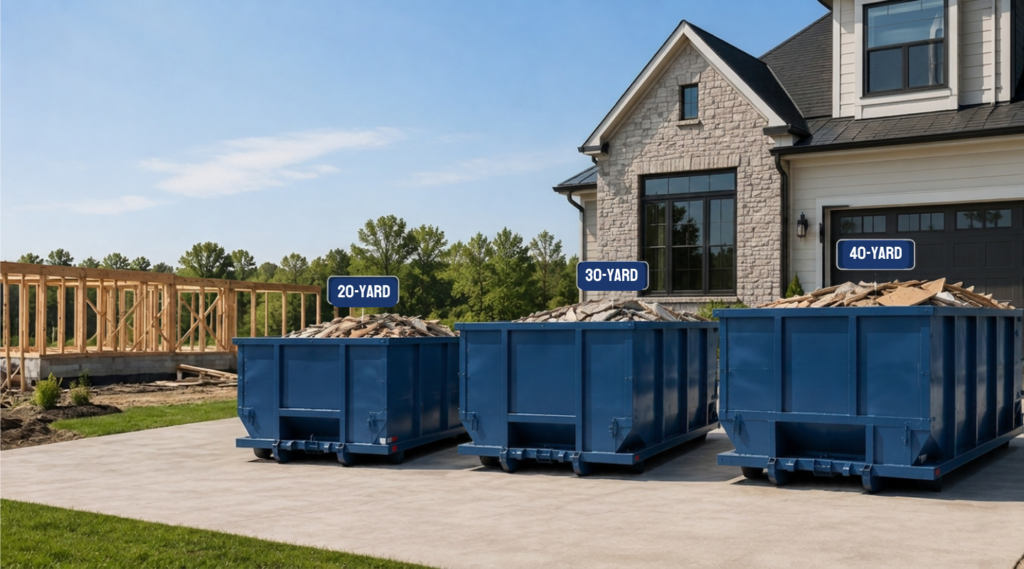

Most debris removal delays don’t come from bad luck; they come from a size mismatch nobody caught until the container was already full. That’s why there’s a dumpster size guide; volume and weight don’t always scale the way people think they will. A “small” garage cleanout can weigh more than a full basement teardown, and guessing wrong means paying for a second pickup, a stalled job site, or fines for overfilling. We built this guide because our team fields this exact question daily, and getting it right the first time is the difference between a smooth project and a frustrating one.
This blog walks through the three most-rented roll-off dumpster sizes: 20, 30, and 40-yard, with their real dumpster dimensions, tonnage ranges, and ideal use cases. You’ll also find a dumpster size comparison table, a project-by-project breakdown, and the mistakes that cost people the most time and money.
Why Choosing the Right Dumpster Size Matters
Every roll-off is rated for both volume and weight, and most rentals fail on the weight side long before the bin looks full. If a container is loaded with shingles, tile, or wet drywall, it can be over its tonnage limits even when it’s technically “half empty.” That’s why dumpster sizes explained right up front save way more than a second delivery fee; it protects your schedule.
20-Yard Dumpster
For homeowners tackling more than one room, the 20-yard dumpster is usually the first real step up in both container capacity and flexibility.
- Typical Dimensions
Same 8-foot width and 22-foot length as the 30-yard, but only 4 feet tall.
- Capacity
Around 20 cubic yards, or 8 pickup truck loads.
- Best Projects
Kitchen and bathroom remodels, flooring removals, and mid-size basement cleanouts.
- Advantages
It offers a strong jump in volume without demanding extra driveway space, one of the more requested residential dumpster sizes we deliver.
- Limitations
The shorter walls restrict the amount of dense material it can safely carry before weight, and not space, becomes the limiting factor.
Here’s what most people don’t realize: two dumpsters of the same footprint can have completely different capacities; height is doing all the work.
30-Yard Dumpster
Once a project outgrows a single system in the house, the 30-yard dumpster becomes the standard choice for larger residential jobs and light commercial dumpster sizes.
- Typical Dimensions
The container measures 22 feet in length, 8 feet in width, and 5.5 feet in height, the same footprint as the 20-yard but with almost 40% more wall height.
- Capacity
Roughly 30 cubic yards, about 12 pickup truckloads.
- Best Projects
Home additions, full roof tear-offs, whole-house cleanouts, and larger landscaping overhauls.
- Advantages
That extra 1.5 feet of height gives you real volume without taking up more ground space, so it’s a smart choice for properties with limited room to place it.
- Limitations
Its increased height means loading requires more effort near the top and site clearance should be checked before delivery.
40-Yard Dumpster
When a job produces high-volume debris on a daily basis, the 40-yard dumpster is the largest roll-off dumpster we offer, engineered for construction dumpster sizes and major teardown work.
- Typical Dimensions
It is 8 feet wide, 22 feet long, and 8 feet high, featuring the same base as the 30-yard container with considerably taller walls.
- Capacity
About 40 cubic yards, equal to 16 pickup truck loads.
- Best Projects
New home builds, large-scale commercial demolition, and full-property cleanouts.
- Advantages
It delivers the highest hauling capacity in our lineup, cutting down the number of pickups needed on active job sites.
- Limitations
Its height and length require ample turning and loading space, which makes it better suited to open lots and job sites than tight residential driveways.
Dumpster Size Comparison Table
| Feature | 20-Yard | 30-Yard | 40-Yard |
| Capacity | ~20 cubic yards | ~30 cubic yards | ~40 cubic yards |
| Truckload Equivalent | 8 loads | 12 loads | 16 loads |
| Wall Height | 4 ft | 5.5 ft | 8 ft |
| Best For | Remodels | Additions, roofing | Construction |
| Weight Sensitivity | High | Moderate | Lower |
Which Dumpster Size Should You Choose?
The honest answer depends less on square footage and more on what the debris is actually made of.
- Garage Cleanout: Most garages fit fine in a 20-yard, though if you’re hauling out old appliances or scrap metal, weight adds up faster than people expect.
- Basement Cleanout: Furniture, boxed-up storage, and general clutter usually stay well within a 20-yard’s limits without pushing into tonnage territory.
- Kitchen Remodel: Between cabinets, countertops, and flooring, debris volume climbs quickly. A 20-yard is typically enough, but larger kitchens with tile flooring can edge toward a 30-yard.
- Bathroom Remodel: Tile, vanities, and fixtures don’t take up much space, but tile is heavy. A 20-yard is the safer choice for most bathroom remodels.
- Roofing Project: Shingles are one of the densest materials we see, so even a single-layer tear-off often needs a 20-yard. Multi-layer roofs or larger square footage usually call for a 30-yard instead.
- Home Addition: Lumber, drywall, and packaging waste from new construction tend to fit a 30-yard, though the exact size depends on how much of the addition is framed versus finished.
- Commercial Construction: With debris generated continuously rather than all at once, a 40-yard makes more sense here; it cuts down how often the container needs to be swapped out.
Materials That Can Affect Dumpster Size
Volume and weight aren’t the same thing, and that gap is where most overages happen. Concrete, brick, dirt, sand, and gravel are dense enough that even a partially loaded bin can exceed its allowed tonnage limits, while asphalt and roofing shingles pack heavy weight into deceptively little space. A dumpster that looks “half full” of these materials may already be at capacity. Since weight limits are specific to each container and not to project types, we always suggest verifying your material type with our team before booking, which is the fastest and only way to prevent an unexpected overage charge.
Common Mistakes to Avoid
Most of the frustration we hear about roll-off rentals traces back to one of five avoidable errors.
- Renting Too Small: Undersizing means a second delivery, which cancels out any savings the smaller unit offered.
- Renting Too Large: Oversizing wastes budget on space and weight allowance you’ll never use.
- Ignoring Weight Limits: Dense debris can reach tonnage limits long before the container looks full. Overages will cost extra.
- Filling Above the Top: Every roll-off has a maximum fill line for a reason; loaded debris above it isn’t safe to transport and won’t be picked up as-is.
- Waiting Until the Last Minute: Booking a temporary dumpster too close to your start date shrinks your size options and can delay the entire project timeline.
Getting Your Project Started the Right Way
Choosing between a 20-yard dumpster, 30-yard dumpster, or 40-yard dumpster comes down to matching container height and weight allowance to what your project will actually generate, not just how big the job looks on paper. Skip that step, and you are staring down a second haul, an overage fee, or a stalled timeline that did not have to happen.
Our team works across Ankeny, Des Moines, Waukee, West Des Moines, and Pella, IA, helping residential and commercial customers land on the right waste container sizes the first time, without the back-and-forth guesswork. From a single residential dumpster for a weekend cleanout to a commercial dumpster running for weeks on an active job site, we size it around your material, not just your square footage.
If your project start date is near, the best bet is to lock in your size now; availability gets tight fast once a season gets busy.
FAQs
1. What size waste container do I need for a garage cleanout?
Most garages fit comfortably in a 20-yard dumpster, unless you’re clearing heavy scrap metal or old appliances in bulk.
2.What Dumpster Size Works Best for a Kitchen Remodel?
A 20-yard dumpster typically covers cabinets, countertops, and flooring debris from a standard kitchen remodel.
3. How do I know if my debris is too heavy for the dumpster size I picked?
If your project uses concrete, brick, dirt, or shingles, contact our team for weight limits before booking. These materials hit tonnage limits way before the bin appears full.
4. What are the best dumpster rental services near me?
If you’re in Ankeny, Des Moines, Waukee, West Des Moines, or Pella, IA, our team can match you to the right size and get it delivered fast.