
Every open bag of trash starts a countdown. Flies can take a full life cycle from egg to breeding adult in as little as seven days once they find exposed waste. Mold can begin growing on damp materials left untouched in 24 to 48 hours. That’s the real math behind hygiene standards on a home project: what looks like a minor delay in disposal becomes a pest and health problem faster than most homeowners expect. Waste Solutions of Iowa built its entire model around closing that window before it opens.
This guide breaks down what actually happens when waste sits too long, how a residential dumpster rental interrupts that process, and the specific habits, materials, and seasonal factors that determine whether a project stays clean or turns into a mess.
Why Hygiene Standards Matter During a Residential Dumpster Rental
The consequences are real if you skip proper containment. Exposed food waste and organic debris will attract flies in hours and rodents in days. And once either one has taken up residence near a home, they won’t leave on their own. Left unchecked, a small pile of debris can turn into a recurring pest problem that outlasts the renovation itself, following the homeowner well past the project’s completion date. A dumpster rental breaks that chain by giving every piece of debris one sealed, contained destination instead of scattered piles that pests can access at will.
A dumpster left open for a week isn’t storage. It’s an invitation.
Choosing the Right Residential Dumpster Rental
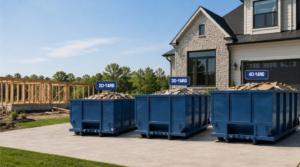
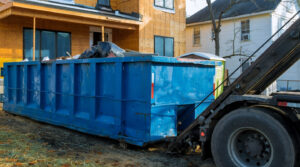
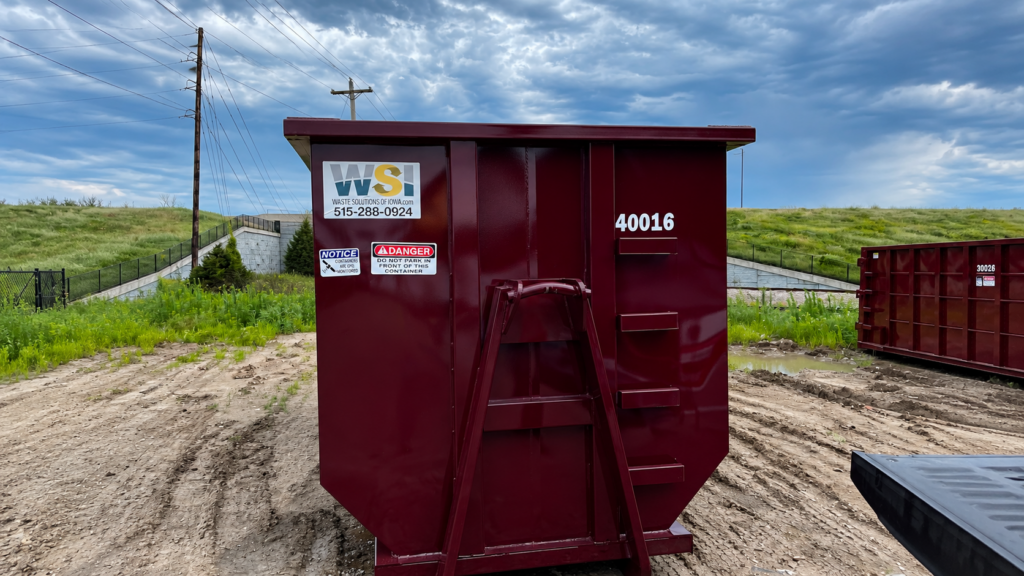
Size is a hygiene decision as much as a logistics one. An undersized bin forces overflow, and overflow is exactly the exposed, uncontained waste that attracts problems in the first place. Guessing low on capacity almost always costs more in the end, whether that means a rushed second pickup or days of debris sitting exposed while waiting for one. Waste Solutions of Iowa has sizes ranging from 15 to 40 yards to handle anything from a garage cleanout to a complete home renovation, keeping the debris in the container rather than in a mound next to it.
Best Practices for Maintaining Hygiene Standards
Four habits separate a residential cleanup that stays sanitary from one that doesn’t. None of them takes more than a few extra seconds, but with a project that takes many days, skipping them adds up quickly.
1. Bag and Contain Household Waste Properly
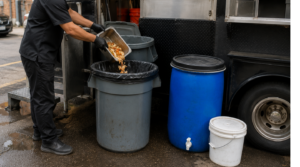
Loose debris scatters in the wind and exposes surfaces that pests can reach immediately. Bag up food scraps and moist material before throwing them into the dumpster to keep the contents of the container dry, sealed, and far less tempting to anything looking for a meal.
2. Separate Waste Before Disposal
Waste segregation keeps recyclables, general debris, and construction material from mixing into a single contaminated pile. Sorting on the way in makes proper waste disposal simpler for everyone handling the container afterward, and it prevents materials that shouldn’t touch, like wet organic waste and dry recyclables, from sitting together for days.
3. Avoid Overloading the Dumpster
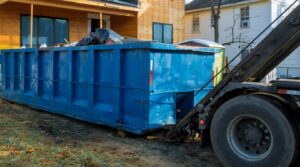
Debris piled above the fill line isn’t just against dumpster safety tips guidance; it becomes unstable during transport and spills onto the property it was meant to protect. Stopping at the line and planning a second pickup when necessary keeps the load secure and the site presentable.
4. Keep the Dumpster Lid Closed (When Available)
A closed lid blocks rain, sun, and airborne insects in one move. It’s the single easiest habit for maintaining clean waste management across a multi-day job, and it costs nothing but a few seconds between loads.
Materials That Should Never Go into a Residential Dumpster
Certain items fall outside standard waste disposal regulations entirely, and mixing them into general debris creates a real risk rather than a minor rule violation
- Paint, solvents, and other hazardous waste disposal items
- Batteries, electronics, and appliances containing refrigerants
- Tires and propane tanks
- Medical or biohazard waste
Tips for Controlling Odors and Pests
Once flies find a food source, they don’t need long to take advantage of it. In warm conditions, one female can lay hundreds of eggs within a few days, and that population multiplies with every generation left undisturbed. So if you want to know how to prevent odors in a residential dumpster, you want to act ahead of that clock, not after the smell has already rolled over to neighbors.
| Habit | Why It Works |
| Bag food waste before disposal | Removes the scent trail that draws flies in the first place |
| Close the lid between loads | Blocks access entirely, not just smell |
| Avoid direct afternoon sun | Slows bacterial growth that produces odor |
Seasonal Hygiene Tips for Residential Dumpster Rental
As the warmer months roll in, the fly life cycle becomes even shorter, thus speeding the process of decomposition. Summer loads mean a quicker turnaround and tighter lid discipline than the rest of the year. Cold months slow biological activity but also bring their own issue: frozen debris settles unevenly inside the container, so loading in layers rather than dumping in bulk keeps the load balanced and safe to transport regardless of the season.
Environmental Benefits of Following Hygiene Standards
Sorting at the source supports sustainable waste management well beyond a single project. Separating recyclables enables recycling household waste instead of landfilling it outright, while keeping hazardous items isolated protects soil and groundwater from contamination that can persist for years after a project wraps up. Contained construction debris removal also prevents runoff from spreading across a property during wet weather, keeping the surrounding landscape intact.
Common Mistakes Homeowners Should Avoid
The same handful of errors show up on almost every mismanaged project, and most of them are avoidable with a little planning upfront:
- Choosing a bin too small for the actual volume of debris.
- Mixing hazardous materials into general household trash.
- Leaving the dumpster uncovered through a full weekend.
- Loading past the fill line instead of scheduling a second pickup.
A dumpster that’s managed well is invisible. One that isn’t becomes the neighborhood’s problem within a week.
Why Professional Residential Dumpster Rental Services Make a Difference
Handling home renovation waste or a full household junk removal project without guidance usually means guessing on size and timing, both of which drive the mistakes listed above. Waste Solutions of Iowa’s dumpster rental services include same-day delivery, straightforward flat-rate pricing with no hidden fees, and expert assistance in matching the container size to your project from the first call. That structure turns residential dumpster rental guidelines into a straightforward part of the process rather than something homeowners have to figure out alone, with home dumpster rental support available across Ankeny, Waukee, and the surrounding areas.
Keeping a Clean Project From Start to Finish
Maintaining hygiene standards on a home project ultimately comes down to timing. Keeping waste contained until pests can get to it, separating materials correctly, choosing the right size from the start, and never leaving a dumpster sitting overloaded or uncovered all work together to close the same window that flies and rodents are waiting to exploit. Miss one of these habits, and a simple cleanup can become a long-term pest or odor problem that follows the property long after the project itself is finished.
Our team at Waste Solutions of Iowa has spent years helping Central Iowa homeowners manage residential waste disposal the right way, from single-room cleanouts to full safe waste disposal during home renovation projects. We size every container to the job in front of us, walk homeowners through what can and can’t go inside, and back every rental with safe waste handling practices that keep properties clean from delivery to pickup. That level of attention is what separates a rental that just shows up from one that’s actually built around how a project unfolds.
If a cleanup, renovation, or landscaping project is on the horizon, don’t leave hygiene to chance. Call our team at (515) 750-2346 for a free quote, and we’ll help schedule delivery at a time that fits your project.